Location & Language

Taurex Global Limited regulated by the Financial Services Authority (FSA) of Seychelles (SD092)

Forex Trading Fees: Spreads, Swaps & Commissions in 2026

forex trading fees

Forex Trading Fees: What Every Trader Should Know

The global forex market sees over $9,6 trillion in daily trading volume, making it one of the largest financial markets in the world. Millions of traders open and close positions every day on pairs like EUR/USD, GBP/USD, and USD/JPY

Even so, many of those traders spend time improving their strategy and studying chart patterns without paying much attention to one of the most common things that can affect their results: forex trading fees.

Forex trading fees may not seem like a big deal, but they show up in every trade. Every time you open a position, hold one overnight, or take money out of your account, costs can apply. Across dozens or hundreds of trades, those costs can grow. Knowing what you are paying, and why, can be one of the most useful things a trader does. 

In this guide, we’ll cover the five main types of forex trading charges, how they can affect different ways of trading, and some simple ways to keep them low.

What Are Forex Trading Fees?

what are forex trading fees

Forex trading fees are the costs that can come up when buying and selling currency pairs through a broker. If you have traded stocks before, you may be used to a set exchange where fee structures tend to be the same across the board. Forex works differently. It is an over-the-counter (OTC) market with no central exchange, which means each broker sets its own prices. Two brokers can offer the same Forex currency pair and charge very different amounts.

These costs generally fall into two groups. Trading fees are charged per trade or per position, and can include spreads, commissions, and swap charges. Non-trading fees may cover things like charges for not using your account, currency conversion costs, and withdrawal fees. Forex fees can have a big impact on trading results, and getting to know them before opening an account is a smart step.

The five main types you are likely to come across are commissions, spreads, swap or rollover fees, overnight charges, and storage fees.

What Are The 5 Main Types of Forex Fees?

types of forex fees

Forex charges can come in several forms. Some may apply to every trade, while others only show up in certain situations, such as holding a position past the daily cutoff time. Knowing each type can take a lot of the guesswork out of working out your costs.

Forex Commission: What It Is and When It Applies

A forex commission is a direct fee a broker may charge each time you make a trade, on top of the spread. Not every account type includes a commission. The two main pricing models you are likely to see are commission-based accounts (usually paired with tighter spreads) and spread-only accounts (no commission, but the spread tends to be wider to make up for it).

Standard commissions can be set as fees per lot or a share of the total value of the trade. For context, a 0.1% commission on a $10,000 trade could come to $10. Raw pricing accounts at various brokers may charge between $3.50 and $7 per standard lot, per side. Because every round-trip trade involves two steps (opening and closing), commission can be charged on both sides.

Some brokers also offer tiered commission models, where trading more each month may lead to lower per-lot rates. Frequent traders and scalpers sometimes may prefer commission-based accounts because the raw spread can be tighter, and for high-volume trading, that gap may add up over time.

Forex Spreads

The Forex spread is the most common forex trading fee. It can apply to nearly every trade you make, no matter what account type you use. In simple terms, the spread is the gap between the bid price (what you can sell at) and the ask price (what you can buy at). When you read forex quotes, that gap between the two numbers is the spread.

Spreads are measured in pips, which are the smallest standard price steps. For most major pairs, one pip equals 0.0001. For JPY pairs like USD/JPY or EUR/JPY, one pip equals 0.01. This matters when working out the actual cost of a trade.

In simple terms, every trade may start slightly below break-even. The price needs to move in your favour by at least the size of the spread before you break even. On a 1-pip spread for a standard lot of EUR/USD, that starting cost can be roughly $10.

Spreads come in two forms. Fixed spreads stay the same, no matter what is happening in the market. Variable spreads can change with market activity, getting smaller during busy forex market hours such as the London and New York session overlap, and possibly getting wider during news events or quiet periods. On major pairs during busy hours, variable spreads can drop to very low levels on raw accounts, while standard spread-only accounts may start around 0.8 to 1.2 pips.

Forex Swap or Rollover Fees

Forex swap fees can catch newer traders by surprise. A swap is the interest added to or taken from your account when you keep a position open past the end of the trading day, which is usually 5 pm ET (10 pm GMT).

This happens because when you trade forex using leverage, you are in effect borrowing one currency to buy another. Each currency has an interest rate set by its central bank. The gap between the interest rate on the currency you are buying and the one you are selling creates the swap. 

If the currency you are buying has a higher interest rate, you may actually earn the swap rather than pay it. This is the idea behind what some traders call a carry trade, often using pairs like AUD/JPY or NZD/JPY where interest rate gaps can be bigger.

The swap formula is: “Swap Value = Lot Size x Pip Value x Swap Rate x Number of Nights”. As an example, a long EUR/USD position of 10,000 units held overnight at a swap rate of 1.28 could cost $1.28 for that one night. The short side of the same pair, at a rate of 0.817, might add $0.82 to your account.

One thing worth knowing is the Wednesday triple swap. Forex markets are closed on weekends, but interest can still build up. Brokers may handle this by charging three times the normal swap rate on Wednesday night, to cover Saturday and Sunday. Keep this in mind when sizing your position if you plan to hold a trade through the middle of the week.

For traders who can’t pay or receive interest for religious reasons, many brokers offer Islamic or swap-free accounts that remove overnight interest charges, sometimes replacing them with other admin fees after a set holding period.

Overnight Charges

Overnight charges are closely linked to swap fees, but are worth telling apart. While a forex swap refers to the interest rate gap between two currencies, an overnight charge (also called a financing fee) is the broader cost that can apply to any leveraged position left open past the daily market close.

Overnight fees are usually worked out using the tom-next rate (a standard rate used between banks for moving positions from one settlement day to the next), plus a small admin fee that may be around 0.5% per year. These charges can be applied automatically each day a position stays open, including weekends. If you close a trade on Friday afternoon after the cutoff, you may be charged for Saturday and Sunday as well.

One thing that is easy to miss: if you hold a hedged position (both a buy and a sell on the same pair) overnight, financing can be charged on both sides. Traders who close all positions before the 5 pm ET cutoff can avoid overnight charges altogether, which is one reason day trading and scalping can appeal to traders who want to keep costs down.

Storage Fees

Storage fees, sometimes called holding costs, are most often linked to CFD positions on goods, indices, and treasuries, but they can apply to forex CFDs too. These costs may be taken from or added to your account at the end of each trading day, based on the tom-next rate in the underlying market for the currency pair you are holding.

Whether the holding cost works for or against you can depend on which way you are trading. Things that affect the amount can include the number of units you hold, your opening trade price, the holding rate, and the broker’s currency conversion rate.

One thing that can confuse newer traders: forward contracts on forex, indices, goods, and treasuries may not have holding costs because those costs are often already built into the spread. The fee structure can depend on the type of instrument and contract, not just the asset.

How Do Forex Trading Fees Impact Your Trading?

5 Ways to Keep Forex Fees Low

Every amount paid in forex broker fees is an amount that does not go towards your trades. Fee risk can be just as real as market risk, and it may be worth giving it the same level of thought when planning.

The impact can vary by trading style. Scalpers and high-frequency traders can feel the effect of spreads and commissions most strongly, as those charges can apply on every single trade. Even a small difference in spread cost can grow quickly across many daily trades. Swing and position traders, on the other hand, may face more exposure to swap and overnight charges, which can build up each day and eat into gains over trades held for several days or weeks.

Choosing the right account type can matter more than many traders think. A raw-spread account with a per-lot commission may cost less overall than a spread-only account if you trade a lot. This is because the tighter spread can make up for the commission. 

If you trade a few times a week, a standard account with a slightly wider spread and no commission might be simpler and cheaper. The key is working out your total cost per lot before you commit.

There is also slippage to think about, which is the gap between the price you expected and the price you actually got when the trade went through. Slippage can be an easy-to-miss cost, especially in fast-moving markets or when there are few buyers and sellers. Adding it to your thinking alongside spreads, commissions, and overnight fees can give you a clearer picture of your true forex trading costs.

A good habit before entering any trade is to ask yourself whether the expected move is big enough to cover all the costs involved and still make the trade worth taking.

How to Reduce Forex Trading Costs and Broker Fees?

Knowing what fees exist is only part of the picture. Keeping them as low as possible, without changing the way you trade, can also be important. Here are some simple ideas.

Pick the Right Account Type for Your Style

If you trade a lot, commission-based accounts with raw spreads may give you lower total costs because tighter prices on each trade can make up for the per-lot fee. If you trade less often, a standard spread-only account can keep things simple without a per-trade commission. Some brokers offer programmes that give back a share of the spread or commission costs at the end of each month based on how much you traded. When choosing a forex broker, looking at the total cost rather than just the headline spread is usually more helpful.

Think Carefully About Holding Positions Overnight

Closing positions before the daily cutoff at 5 pm ET can remove swap and overnight financing charges. This may work well for day traders and scalpers. If you do hold positions overnight, it can help to check whether the pair you are trading adds to or takes from your account through the swap. 

Trading pairs where the currency you are buying has a higher interest rate than the one you are selling may turn the swap from a cost into a small gain. 

For traders who often hold positions for longer, Islamic or swap-free accounts can be worth looking into. The Wednesday triple swap is also worth keeping in mind: holding a position into Thursday can mean paying three times the overnight cost for that one night.

Trade When the Market Is Most Active

Spreads can get tighter when the market is busiest. The London and New York sessions overlap (roughly 8 am to 12 pm ET) and can offer tighter spreads and faster order fills. Trading outside these hours, or around big news releases, may mean wider spreads and higher costs per trade.

Check Your Costs on a Regular Basis

It can be easy to leave your fee structure as it is, but the market and your trading habits can change. According to Arincen, going over your costs each month or each quarter can help you spot whether swap charges are eating into your returns or whether less-active pairs are costing more in spread than they are worth. Trade journals and broker reports can make this easier.

Group Your Trades and Withdrawals

Commissions can be charged per trade, so making many small trades may push up the total fee. According to Forexopher, making fewer, more thought-out trades can bring down the share of costs. The same idea can apply to withdrawals. Many brokers charge a fee per bank wire transfer, so grouping withdrawals rather than making lots of small ones may help keep those non-trading forex charges down.

How Taurex Approaches Clear Pricing

At Taurex, being clear about fees is treated as a basic standard, not a special feature. When you open an account with us, every cost is shown upfront. We offer several account types, including Standard Zero, Pro Zero, and Raw, each built for different trading styles and volumes. This means you can pick the fee structure that fits how you actually trade, rather than trying to adjust your approach to fit a fixed model.

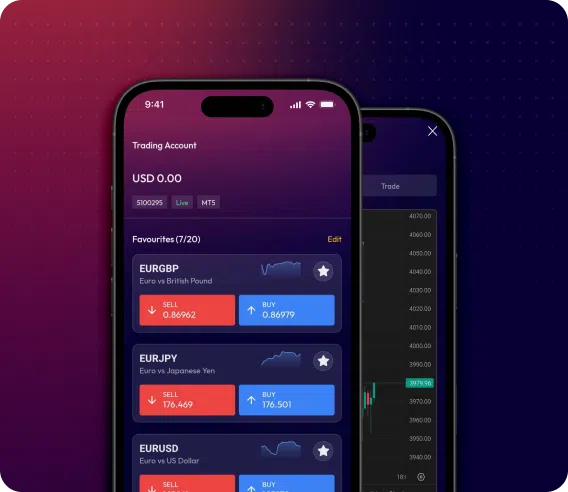
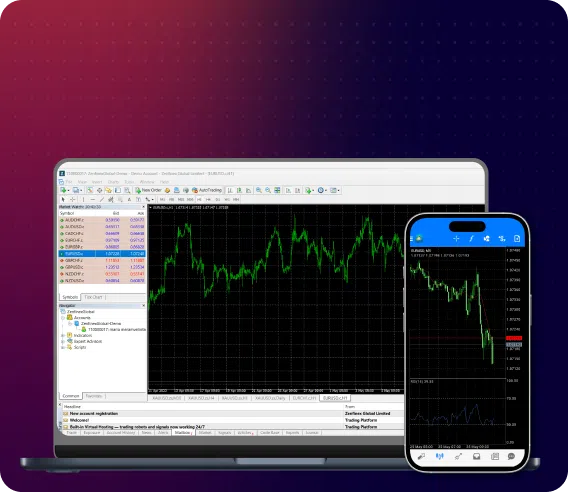
Our forex trading offering covers over 1,500 CFDs across many asset types, and competitive spreads are a key part of what we offer. Traders can see real-time prices on our MT4, MT5, and Taurex app platforms, so there are no hidden costs when it comes to getting orders filled.

We also put a strong focus on the safety of funds and regulation across multiple regions, because clear pricing only means something within a safe, regulated trading environment. For traders who want to learn about the different types of forex brokers and see where Taurex fits in, our learning resources at Taurex Academy cover everything from reading your first forex quote to building a clear trading plan.

If you want to explore trading in a risk-free environment, open a demo account with Taurex today and practise using our platforms before trading with real funds.

FAQ

What is an FX fee?

An FX fee refers to any cost that can come up when trading foreign currency pairs. This can include spreads, forex commissions, swap charges, overnight financing fees, and non-trading fees such as withdrawal or inactivity charges. The exact fees you come across will depend on your broker and account type.

What is the difference between Forex spreads and commissions?

A spread is a cost built into the price itself. It is the gap between the bid and ask price, and it can apply to every trade. A forex commission is a separate fee charged by the broker per trade or per lot. Some brokers charge one or the other, and some charge both (usually on raw-spread accounts with tight spreads plus a per-lot commission). The total forex trading cost is the sum of both.

How much does it cost to trade Forex?

The cost can vary by broker, account type, currency pair, and trade size. On major pairs like EUR/USD, spreads can range from 0.0 to 1.2 pips under normal market conditions. Commission accounts may charge $3.50 to $7 per lot per side. For a standard lot (100,000 units), the total cost of opening and closing a trade could range from a few dollars to around $15 to $20. Holding a position overnight can add swap charges on top of this.

How are Forex trading fees calculated?

Spread cost can be worked out by multiplying the pip value by the trade size. For a 1-pip spread on a standard EUR/USD lot, that may come to 1 pip x $10 per pip = $10. Commission cost can be worked out by multiplying the set fee by the number of lots. The swap cost formula is: Lot Size x Pip Value x Swap Rate x Number of Nights. Most trading platforms, such as MT4 and MT5, work these out and show them automatically.

Is there a withdrawal fee in Forex?

It depends on the broker and how you withdraw. Many brokers may offer free withdrawals via e-wallets or debit cards, but charge a set fee for international bank transfers. Some brokers offer one free withdrawal per month. Checking the fee schedule before choosing a withdrawal method, and grouping withdrawals where possible, can help keep these non-trading forex charges down.

What is an example of a trading fee?

Say you open a long EUR/USD position of 1 standard lot (100,000 units) on a spread-only account with a 1.2-pip spread. The pip value for EUR/USD is $10, so the spread cost would be 1.2 x $10 = $12. If you hold that position overnight, you may also pay a swap fee of, for example, $1.28 per 10,000 units in position value. On a commission account with a 0.0-pip spread but a $7 per $100k commission, the total cost of opening and closing could be $14 in commission plus any overnight fees.

Do all Forex brokers charge the same fees?

No. Forex broker fees can vary a lot. Brokers set their own spreads, commission structures, and overnight rates. Some may offer no-commission accounts but widen their spreads to make up for it, while others offer tight spreads with a clear per-lot commission. Swap rates can also differ between brokers, as each may add its own markup to the standard interbank rate. Comparing total costs across brokers rather than looking at any one fee on its own is usually more useful. Choosing the right broker means looking at the full picture.

Back

Popular Posts

8 Forex Trading Mistakes Beginners Should Avoid

Forex Trading Fees: Spreads, Swaps & Commissions in 2026

Forex Risk Management Tips to Trade Safely in 2026

What Are The 10 Advantages of Forex Trading in 2026?

Here are some related articles you may find interesting:

Forex News

8 Forex Trading Mistakes Beginners Should Avoid

Forex Trading Mistakes: 8 Common Pitfalls Beginners Should Avoid According to the 2025 Triennial Survey from the BIS, the Forex market processes about $9.6 trillion...

Forex News

Forex Trading Fees: Spreads, Swaps & Commissions in 2026

Forex Trading Fees: What Every Trader Should Know The global forex market sees over $9,6 trillion in daily trading volume, making it one of the...

Forex News

Forex Risk Management Tips to Trade Safely in 2026

Forex Risk Management: Complete Guide To Protecting Your Trading Capital The global Forex market trades more than $7.5 trillion each day. This shows how large...

Forex News

What Are The 10 Advantages of Forex Trading in 2026?

10 Key Advantages of Forex Trading, And What You Should Know Before Starting The Forex market moves about $9.6 trillion every day, making it the...

Ready to Elevate Your Trading Journey?

Open a Taurex account and start trading today.

Chat on WhatsApp

Live account Registration

1 Hour Trading Consultation

This site is registered on wpml.org as a development site. Switch to a production site key to remove this banner.