
Daily global Forex trading volume hit $9.6 trillion in April 2025, a 28% jump from $7.5 trillion just three years earlier. That means more traders, more money, and more price movement. But not all Forex pairs move the same. Some jump hundreds of pips in a day, while others stay relatively stable.
In this guide, we cover the most volatile Forex pairs, what causes their big moves, the least volatile options, and simple strategies for trading fast markets with control.
What Is Forex Volatility?
Forex volatility shows how much and how fast a Forex pair moves in price. Some pairs move slowly, while others change quickly throughout the day.
Volatility matters because it affects both risk and profit potential. A pair that averages 150 pips of daily movement offers a very different trading environment than one averaging 50 pips, and your order types, stop-loss placement, and position sizing all need to reflect that.
Traders often use ATR, Bollinger Bands, or simple daily pip averages to measure volatility. Keep in mind that volatility changes depending on news, trading sessions, and global events.
What Factors Make a Forex Currency Pair Volatile?
Several factors affect how much a Forex pair moves. If you understand them, you can better prepare for fast or quiet market conditions.
- Geopolitical events
Elections, wars, sanctions, and political tension create uncertainty, which leads to volatility. Emerging market currencies like the Turkish lira, Brazilian real, and South African rand can react strongly. Pairs such as USD/ZAR can move hundreds of pips when unexpected political or central bank news hits. - Economic data releases
Reports like GDP, inflation (CPI), employment data, and US Non-Farm Payrolls often trigger sharp moves. All USD pairs can spike during these releases. Markets may also move before the announcement as traders position themselves. - Liquidity levels
The most liquid currency pairs, EUR/USD and GBP/USD, attract high trading volume, which tends to smooth out price moves. Exotic pairs and crosses have far fewer participants, meaning larger and faster swings. - Interest rate changes
When central banks adjust interest rates, currency pairs can reprice quickly. The Japanese yen has long been used in carry trades, so pairs like USD/JPY or GBP/JPY can react sharply when the Bank of Japan changes policy. - Commodity prices
Some currencies move with commodities. The Australian dollar often follows gold and iron ore, the Canadian dollar tracks oil, the New Zealand dollar reacts to dairy prices, and the South African rand moves with gold and platinum. When these commodities rise or fall, related currency pairs can become more volatile.
What Are The 10 Most Volatile Forex Pairs to Trade in 2026?
The Forex pairs below are known for large daily price moves. They include cross pairs and exotic pairs, each driven by different economic forces. Because they move more, they require wider stop losses and smaller position sizes. If you are still building your foundation in reading Forex charts and technical analysis, it is worth studying these pairs on a demo account before committing live capital.
The table below ranks forex pairs by volatility, from the most extreme exotic pairs down to the steadier crosses, giving you a clear starting point for deciding which markets match your risk tolerance.
| Forex Pair | Avg. Daily Range (Pips) | Volatility Level | Primary Drivers | Most Active Session |
| USD/TRY | 1,000–2,000+ | Extreme | Inflation, political risk, CBT policy | London / New York |
| USD/ZAR | 800–1,000+ | Extreme | Gold/platinum prices, political risk, USD strength | London / New York |
| GBP/NZD | 150–250 | Very High | UK inflation, RBNZ rates, dairy exports | London / Asian overlap |
| GBP/JPY | 150–200 | Very High | UK data, BoE policy, risk sentiment, BoJ | London / Asian overlap |
| USD/MXN | 300–500 | High | Oil prices, US trade policy, USMCA | New York |
| EUR/NZD | 130–180 | High | ECB policy, dairy exports, Chinese demand | London / Asian overlap |
| GBP/AUD | 100–150 | High | BoE policy, commodity cycle, Chinese demand | London / Asian overlap |
| AUD/JPY | 80–120 | High | Risk sentiment, iron ore, Chinese data | Asian |
| CAD/JPY | 80–110 | High | Oil prices, BoC vs BoJ divergence | Asian / London |
| NZD/JPY | 70–110 | High | Dairy prices, risk sentiment, BoJ policy | Asian |
Average daily ranges are approximate and based on typical market conditions. Actual volatility may vary.
AUD/JPY
AUD/JPY is often described as one of the most volatile Forex pairs (and for a reason). The Australian dollar is a classic risk-on, commodity-linked currency, while the Japanese yen is a traditional safe-haven asset. When global sentiment turns optimistic, AUD tends to strengthen; when fear takes over, capital flows into JPY, pushing the pair lower.
This Forex pair is highly responsive to Chinese economic data, since China is Australia’s largest trading partner. Iron ore and gold prices feed directly into AUD strength or weakness, and shifts in global risk appetite add another layer of movement. The pair remains one of the most actively watched crosses heading into 2026, and tends to be most active during the Asian trading session.
NZD/JPY
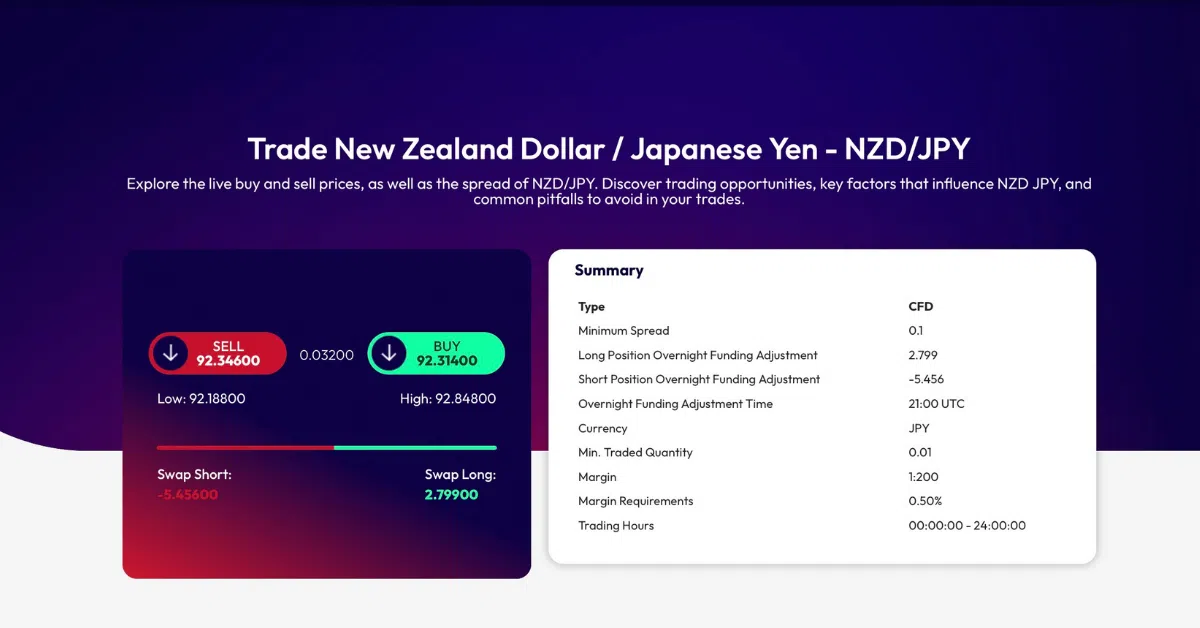
NZD/JPY operates on a dynamic similar to AUD/JPY, but with the New Zealand dollar driven more heavily by dairy export prices and the country’s agricultural economy. New Zealand’s trade exposure to the Asia-Pacific region, and to China in particular, makes NZD sensitive to shifts in regional demand.
The tug of war between a commodity-linked currency and a safe-haven currency creates sharp swings during periods of macroeconomic stress. This pair tends to be most active during the Asian session, and dairy price reports, inflation data, and broader risk sentiment shifts in Asia are key catalysts to watch.
EUR/NZD
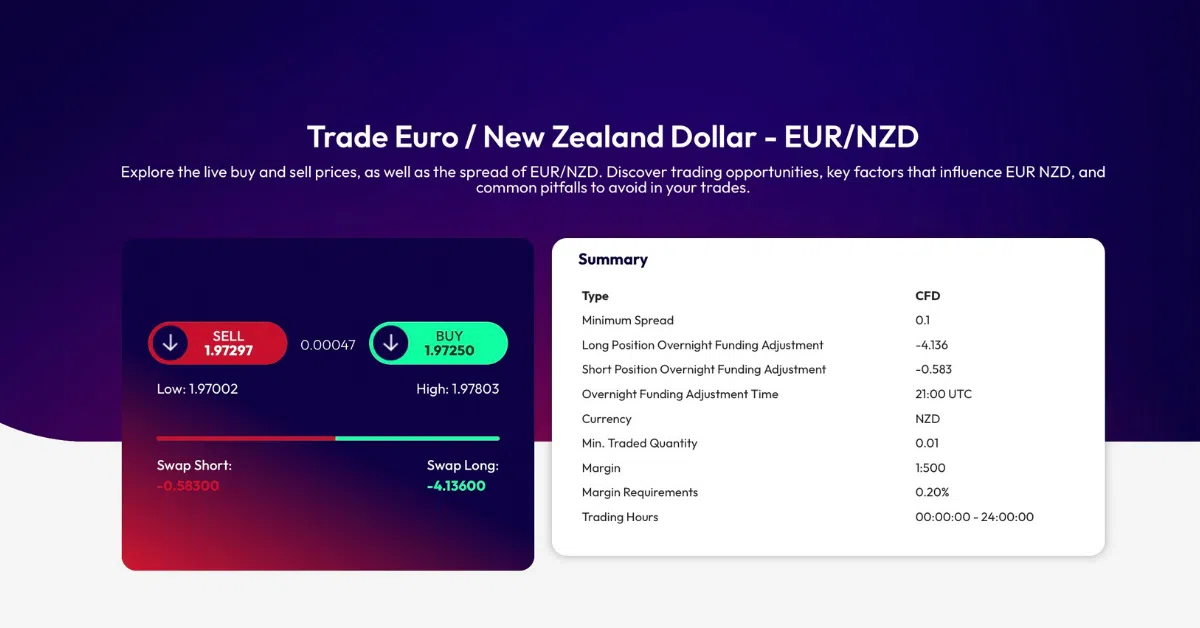
EUR/NZD is known for high volatility and wide daily ranges. The euro reacts to Eurozone economic data and ECB policy, while the New Zealand dollar is heavily influenced by dairy exports, Chinese demand, and RBNZ rate decisions.
Because both currencies are sensitive to global risk sentiment but driven by different economic forces, the pair often produces strong trends and sharp breakouts. It is widely available on major brokers like Taurex and fits well in a volatile pairs category.
CAD/JPY
CAD/JPY is one of those pairs where the commodity connection is crystal clear. Canada is one of the world’s major oil exporters, and Japan is a significant oil importer. When crude oil prices rise, CAD strengthens while JPY faces pressure from higher import costs. The reverse is equally true.
Layer on top of that the diverging interest rate trajectories of the Bank of Canada and the Bank of Japan, and you get a pair that typically sees daily movements in the range of 80 to 110 pips. Oil market reports, energy policy announcements, and central bank commentary are the primary catalysts to track.
GBP/AUD
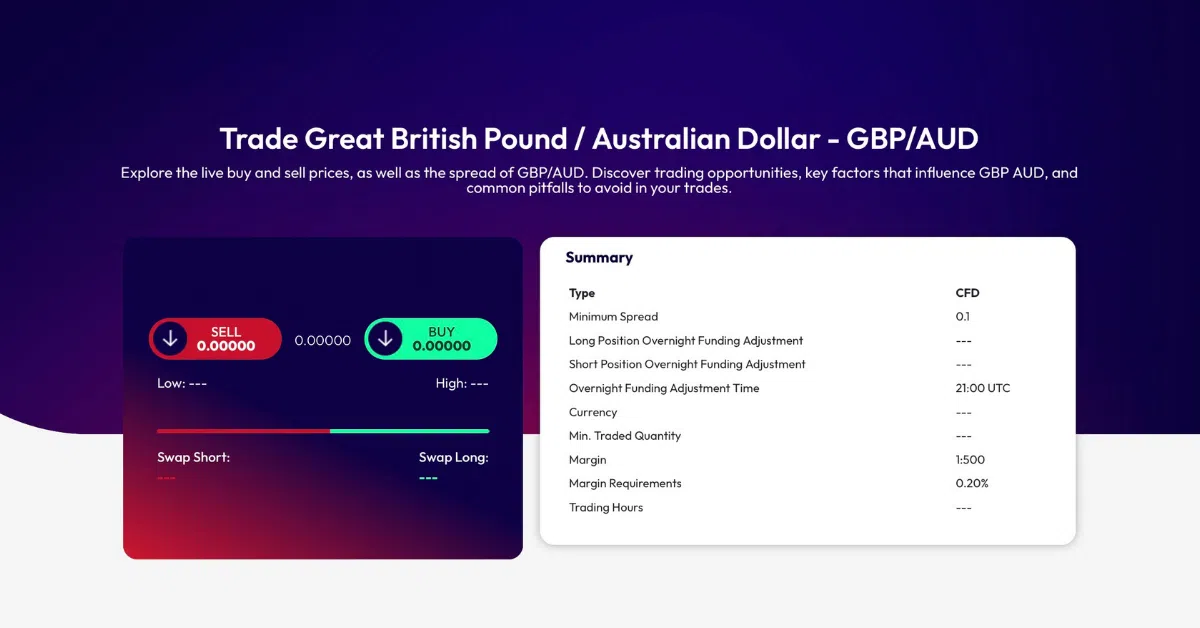
GBP/AUD reflects economic differences between the UK and Australia. GBP reacts to UK inflation, growth data, and Bank of England decisions. AUD responds to Chinese demand, commodity prices, and Australia’s export cycle.
What makes this pair interesting from a session-timing perspective is the gap between the London and Sydney trading windows. That time zone difference creates distinct periods of heightened activity, and the overlap between Asian and European sessions can produce some sharp intraday moves. If you are choosing a Forex broker and plan to trade GBP crosses, checking the platform’s spreads during off-peak hours for this pair is a worthwhile step.
USD/ZAR
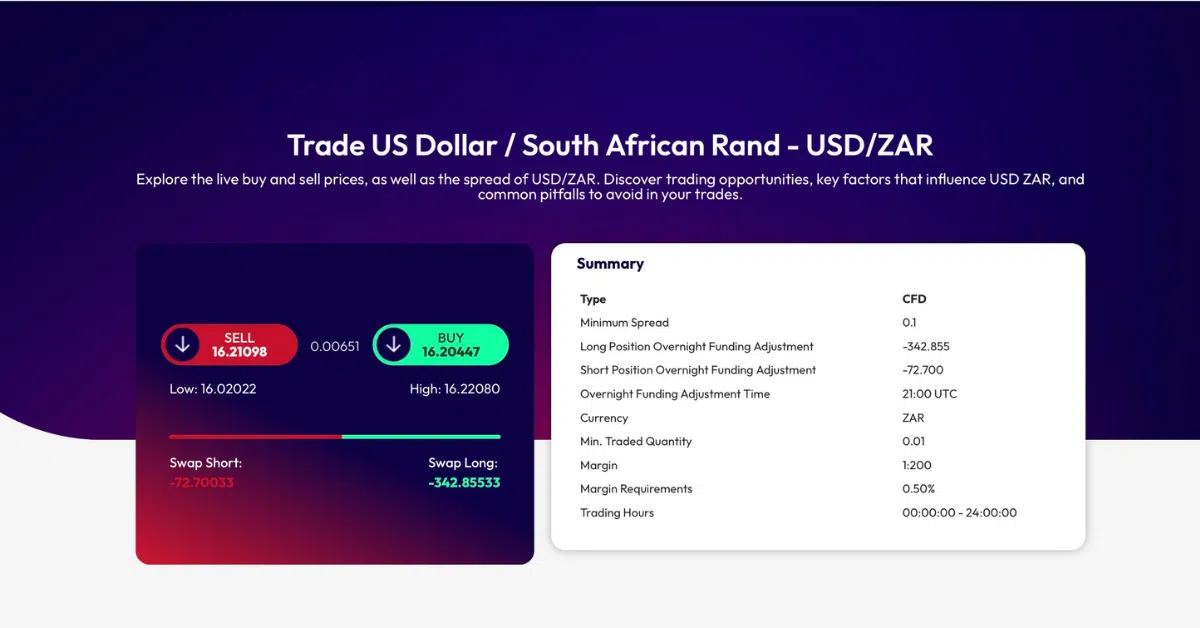
USD/ZAR is one of the most volatile Forex pairs. It is driven by South Africa’s exposure to gold and platinum, political risk, credit concerns, and inflation pressures. The US dollar’s safe-haven status adds to the movement during global uncertainty. Daily swings can exceed 1,000 pips, especially during risk-off events.
This is a pair that demands respect in terms of risk management. The spreads tend to be wider, the slippage can be more noticeable, and the daily range dwarfs what you would see on a major pair like USD/CHF or USD/CAD.
GBP/JPY
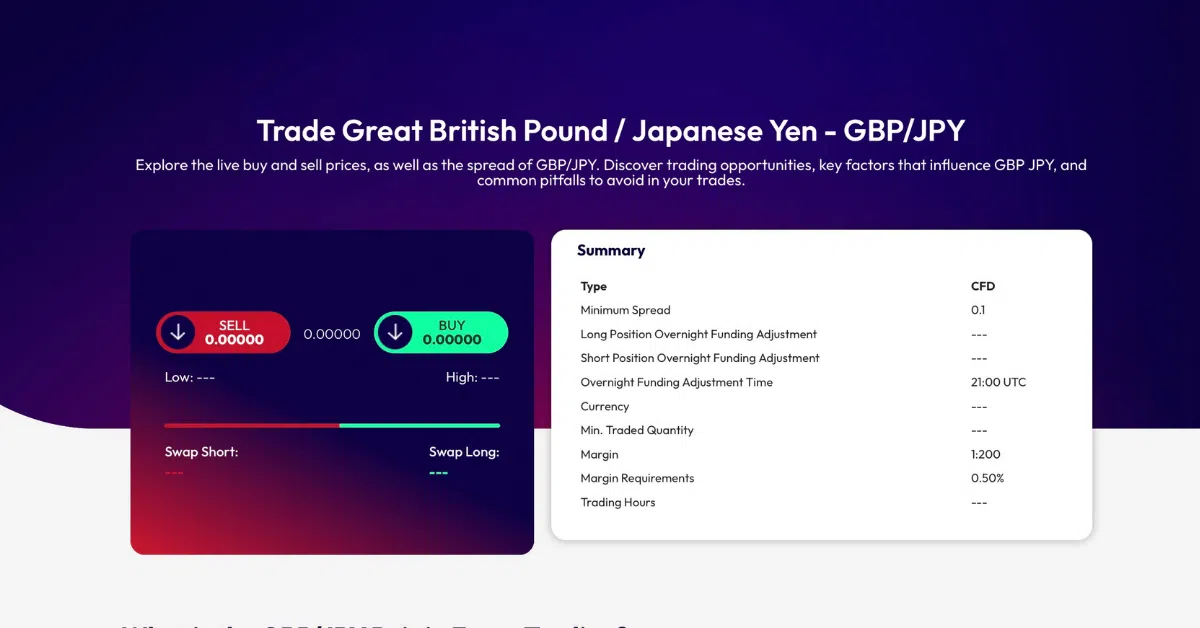
GBP/JPY is one of the most volatile and actively traded cross pairs in Forex. It combines the British pound, which reacts strongly to UK economic data and Bank of England decisions, with the Japanese yen, a traditional safe-haven currency. This mix often creates large and fast price swings.
The pair is highly sensitive to global risk sentiment. When markets are confident, GBP/JPY often rises sharply. During uncertainty, money flows into JPY, and the pair can fall quickly. It is especially active during the London and Asian session overlap and frequently produces daily ranges well above 150 pips.
GBP/NZD
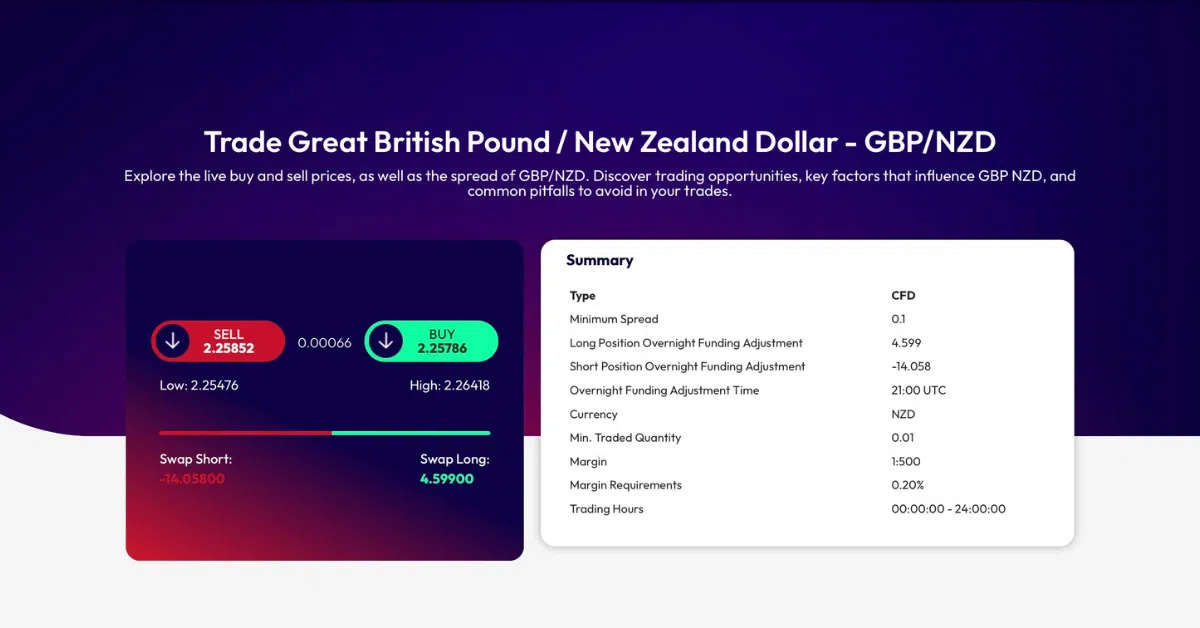
GBP/NZD is one of the more volatile cross-pairs in the Forex market. The British pound reacts strongly to UK inflation data, GDP reports, and Bank of England policy decisions, while the New Zealand dollar is influenced by dairy exports, Chinese demand, and Reserve Bank of New Zealand rate changes.
Because both currencies can move aggressively on economic news, the pair often produces wide daily ranges, sometimes exceeding 150 to 250 pips. The time zone gap between the UK and New Zealand can also create sharp moves during session transitions. Traders often see strong trends when economic conditions in the two countries move in opposite directions.
USD/TRY
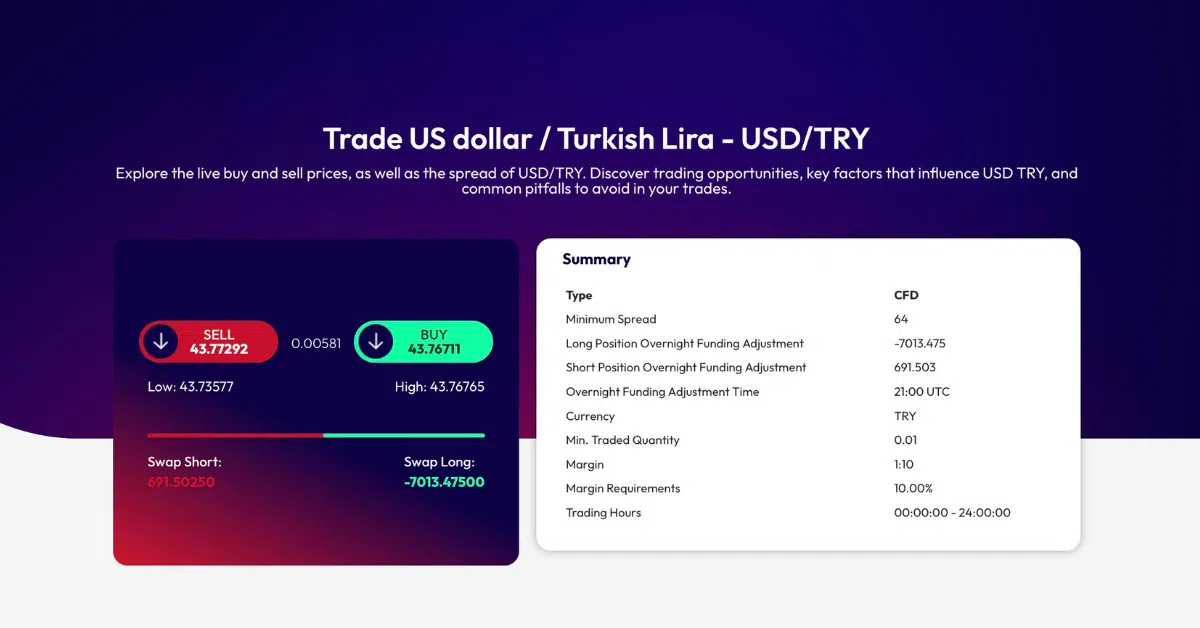
If there is a poster child for extreme Forex volatility, USD/TRY is a strong candidate. Daily ranges regularly exceed 1,000 to 2,000 pips, and the pair has become synonymous with Turkey’s chronic high inflation, persistent currency depreciation, and unconventional monetary policy decisions.
What is notable from a market structure perspective is that USD/TRY’s share of global Forex turnover has dropped from 1.3% in 2016 to just 0.2% in 2025. That declining volume reflects reduced institutional confidence in the lira, which in turn makes the pair even thinner and more prone to sudden spikes. Sharp moves are common around Turkish Central Bank announcements and periods of political uncertainty.
USD/MXN
USD/MXN reacts strongly to US trade policy, oil prices, and Mexico’s economic ties to the United States. Trade agreements such as USMCA play an important role in the long-term direction.
Oil prices influence MXN because Mexico is an oil producer. The nearshoring trend has also increased interest in the Mexican economy. Daily ranges often average 300 to 500 pips, and volatility increases around US and Mexican economic releases.
What Are the Least Volatile Forex Currency Pairs?
Some Forex pairs move slowly and stay within tight ranges. These pairs are often linked to economies that are closely connected or managed by central banks that limit big price swings.
- EUR/CHF is a well known low volatility pair. The Eurozone and Switzerland both have stable economies, and the Swiss National Bank often steps in to limit strong moves in the franc. Because of this, EUR/CHF usually trades in small daily ranges and is popular for range trading.
- USD/HKD is one of the most stable pairs in Forex. The Hong Kong dollar is pegged to the US dollar within a narrow band set by the Hong Kong Monetary Authority. This keeps price movement very limited, so the pair is mainly used for hedging rather than active trading.
- EUR/GBP is relatively stable compared to other GBP crosses like GBP/JPY or GBP/AUD. The UK and the Eurozone have strong trade ties, which helps reduce large price swings. The pair often moves slowly and tends to return to its average range over time.
- AUD/NZD is also considered low volatility. Australia and New Zealand have closely linked economies and both rely heavily on commodities. Since their currencies often move in the same direction, the pair usually stays within controlled and predictable ranges.
How to Trade Volatile Forex Pairs
Approaching any currency pair with high volatility follows the same core rules as trading calmer markets, but price moves faster, risk compounds quicker, and emotional discipline matters far more. You need clear rules, strong risk control, and emotional discipline before entering a trade.
- Match your strategy to your style.
Scalpers look for quick moves during the day, while swing traders hold trades for several days to catch larger trends. Breakout traders often focus on pairs like USD/TRY and USD/ZAR after major news events. Mean reversion traders use tools like Bollinger Bands to trade when the price moves too far from its average. - Adjust stops and position size.
Volatile pairs need wider stop losses because normal price swings are bigger. To control risk, reduce your position size so you still risk only 1 to 2% of your account per trade. Tools like the ATR indicator can help you set stops based on current market conditions. - Watch the economic calendar.
Events like central bank meetings, inflation data, and Non-Farm Payrolls can cause very sharp moves. Some traders reduce risk before major news, while others avoid trading during those times. Entering a trade without knowing important news is coming is a serious mistake. - Trade in the right session.
Some pairs move more during certain sessions. AUD/JPY is often more active in the Asian session, while GBP pairs move more during London hours. Trading when liquidity is high usually means smoother entries and exits. - Measure volatility before entering.
Before entering, assess current forex pair volatility by checking whether the ATR is expanding or contracting and whether Bollinger Bands are widening. Trading without this context means entering blind. - Stay disciplined.
Always set your stop loss and take profit before entering. Do not try to win back losses quickly after a bad trade. If you are new to volatile pairs, practice on a demo account first to understand how they move.
Conclusion
The most volatile Forex pairs can offer large profit opportunities, but they also carry higher risk. Whether trading USD/TRY, USD/ZAR, AUD/JPY, or NZD/JPY, success depends on preparation, strong risk control, and understanding what moves each pair.
Using tools like ATR and Bollinger Bands, following the economic calendar, and managing position size carefully can help you handle fast market conditions. With ongoing geopolitical tensions and changing central bank policies in 2026, understanding volatility remains essential for serious traders.
If you want to practice trading volatile markets without risking real money, you can open a demo account with Taurex. A demo account lets you test strategies, study price behavior, and build confidence before moving to live trading.
Trading involves significant risk, including the potential loss of principal. Past performance does not guarantee future results. The value of investments may fluctuate, and you may receive back less than your original investment. The information in this article is for educational purposes only and should not be considered financial advice. Always conduct your own research and consider your risk tolerance before trading. Taurex is multi-regulated and committed to the safety of client funds.
FAQ
What Forex Currency Pairs Move the Most?
The most volatile forex pairs tend to be exotics like USD/TRY and USD/ZAR, which regularly see massive daily pip ranges. Among crosses, GBP/JPY, GBP/NZD, and AUD/JPY also rank among the most volatile pairs in forex due to their sensitivity to risk sentiment and commodity swings.
What Is the Most Predictable Forex Pair?
Some of the most predictable pairs are EUR/CHF, USD/HKD, AUD/NZD, and EUR/GBP. USD/HKD is very stable because the Hong Kong dollar is pegged to the US dollar. EUR/CHF is also stable due to central bank intervention and strong, steady economies.
How to Check the Volatility of a Forex Currency Pair?
You can measure volatility using tools like the ATR indicator, which shows the average price range over a set period. Bollinger Bands can also help, as wider bands mean higher volatility. Many trading platforms also offer volatility tables and screeners to compare pairs.
Is Volatility a Good or Bad Thing for Forex Currency Trading?
Volatility is not good or bad on its own. It creates more trading opportunities but also increases risk. New traders may prefer less volatile pairs, while experienced traders often seek higher volatility for bigger potential moves.
Why Are Exotic Forex Pairs More Volatile?
Exotic pairs like USD/TRY and USD/ZAR are linked to emerging markets. These economies can face political uncertainty, inflation issues, or sudden capital flows, which lead to sharp price swings. Lower liquidity also makes their moves larger and faster.
Do Interest Rates Affect Forex Volatility?
Yes, interest rate changes can strongly impact volatility. When central banks raise or cut rates, currency values can shift quickly. Large differences in interest rates between two countries often increase movement in that pair.
Can Volatility Change Over Time?
Yes, volatility is not constant. A pair can be calm for weeks and then become highly active due to economic news, political events, or market sentiment shifts. That is why traders should always check current market conditions before entering a trade.