At the start of 2026, some currencies required hundreds of thousands or even more than a million units to equal $1 US. These exchange rates reflect serious economic pressure, high inflation, and long periods of instability.
When we talk about the weakest currencies in the world, we mean those with the lowest value against the US dollar.
This ranking is based on early 2026 data and explains why these currencies trade at such low levels and what Forex traders should understand before trading them.
Top 10 Weakest Currencies in the World Ranked by Global Forex Influence
Before we break down each currency individually, here is a side-by-side snapshot of where things stand as of early 2026:
| Rank | Currency | Code | Country | Rate vs. USD (Approx. 2026) |
| 1 | Lebanese Pound | LBP | Lebanon | ~89,500 LBP |
| 2 | Iranian Rial | IRR | Iran | ~1,063,940+ IRR (open market) |
| 3 | Vietnamese Dong | VND | Vietnam | ~25,000–26,345 VND |
| 4 | Laotian Kip | LAK | Laos | ~21,614–21,663 LAK |
| 5 | Indonesian Rupiah | IDR | Indonesia | ~16,294–16,849 IDR |
| 6 | Uzbekistani Som | UZS | Uzbekistan | ~11,861–12,625 UZS |
| 7 | Guinean Franc | GNF | Guinea | ~8,658 GNF |
| 8 | Paraguayan Guaraní | PYG | Paraguay | ~6,619–6,920 PYG |
| 9 | Malagasy Ariary | MGA | Madagascar | ~4,325–4,652 MGA |
| 10 | Cambodian Riel | KHR | Cambodia | ~4,086–4,100 KHR |
These rates reflect early 2026 figures and are subject to change. The ranking above is based on official exchange rates. It is worth noting that if open-market (parallel) rates are factored in for Iran, the Iranian Rial becomes the weakest currency in the world by a wide margin.
Now, let’s look at each one in more detail.
Lebanese Pound (LBP)
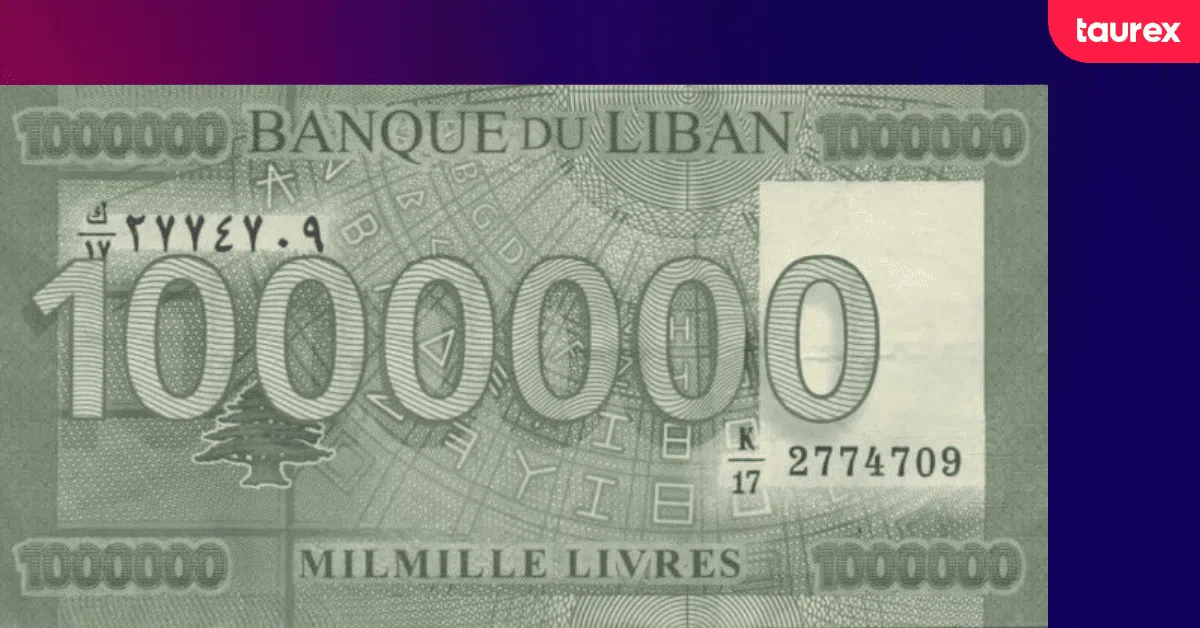
The Lebanese pound trades at around 89,480 per US dollar as of February 2026, placing it among the currencies with the lowest value globally. For more than 25 years, it was fixed at 1,507.50 per dollar, but that stability collapsed after the financial crisis began in 2019.
The banking system came under severe pressure, capital controls were imposed, and confidence in the economy fell sharply. By early 2023, the currency had lost more than 98% of its pre-crisis value, reflecting deep structural and political problems.
Although the exchange rate appeared relatively stable during 2025, the broader economic challenges remain unresolved. The Lebanese pound is not available for trading on standard Forex platforms.
Iranian Rial (IRR)
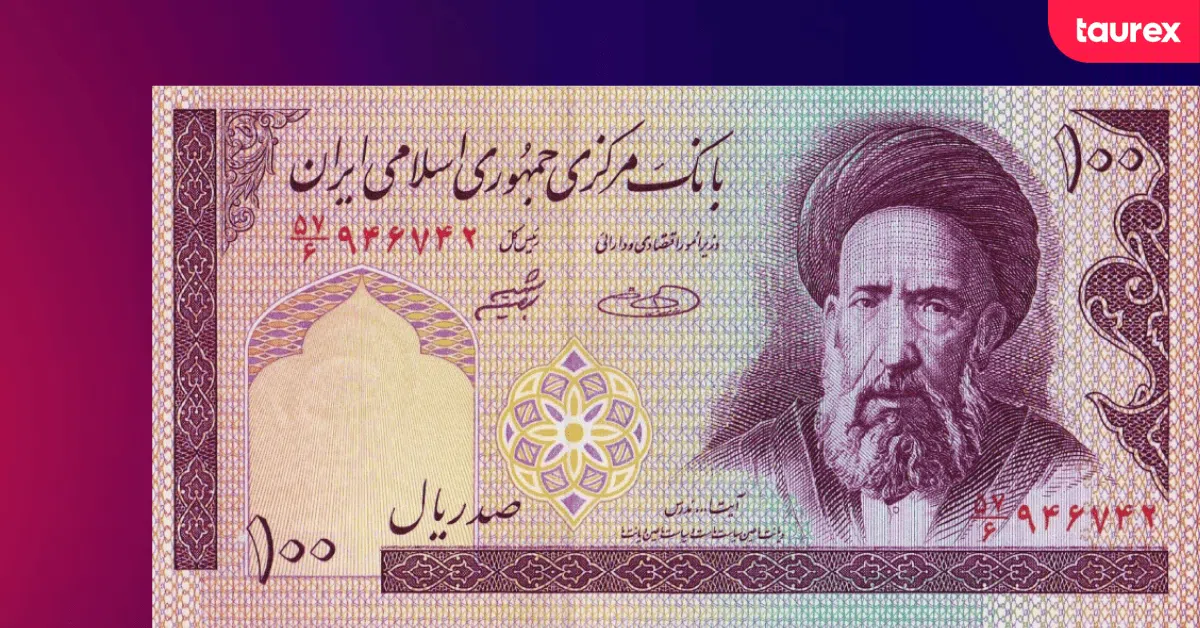
Based on the open market rate, the Iranian rial is the least valuable currency in the world in 2026. In early January 2026, it moved beyond 1.4 million rials per $1 US, with some estimates placing it even higher. For comparison, around the time of the 1979 revolution, $1 US was worth about 70 rials, showing how dramatic the long term decline has been.
The main causes are long-standing economic sanctions, limited access to foreign currency, and very high inflation. Inflation remained above 40% through late 2025, and fiscal pressure continues to weigh on the economy. Ongoing political tension and social unrest have also reduced confidence in the currency.
Like the Lebanese pound, the Iranian rial is not available for trading on most standard Forex platforms.
Vietnamese Dong (VND)
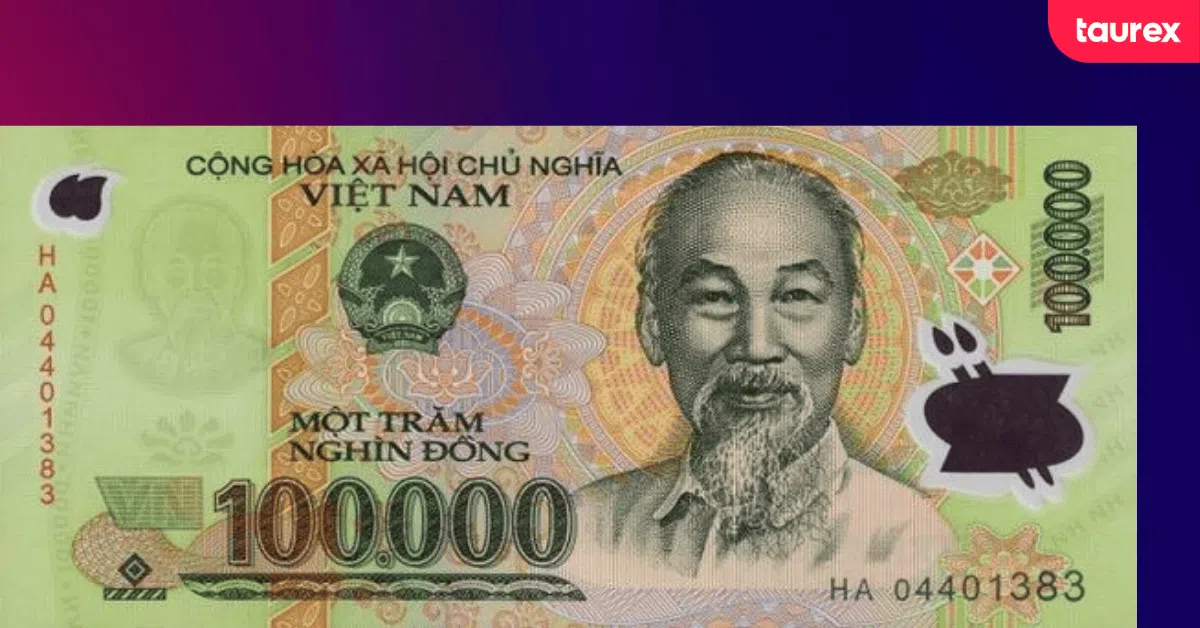
The Vietnamese dong trades at around 26,045 VND per $1 as of January 2026, which makes it one of the cheapest currencies in the world. While that number seems low, the story is very different from countries like Lebanon or Iran.
The dong’s low value is mostly intentional. The State Bank of Vietnam manages the currency to keep exports affordable, which has helped Vietnam grow as a major manufacturing hub, especially in electronics and textiles.
Despite its low nominal value, the dong is not a crisis currency. Strong economic fundamentals mean the currency’s weakness is a result of policy, not economic failure.
Laotian Kip (LAK)
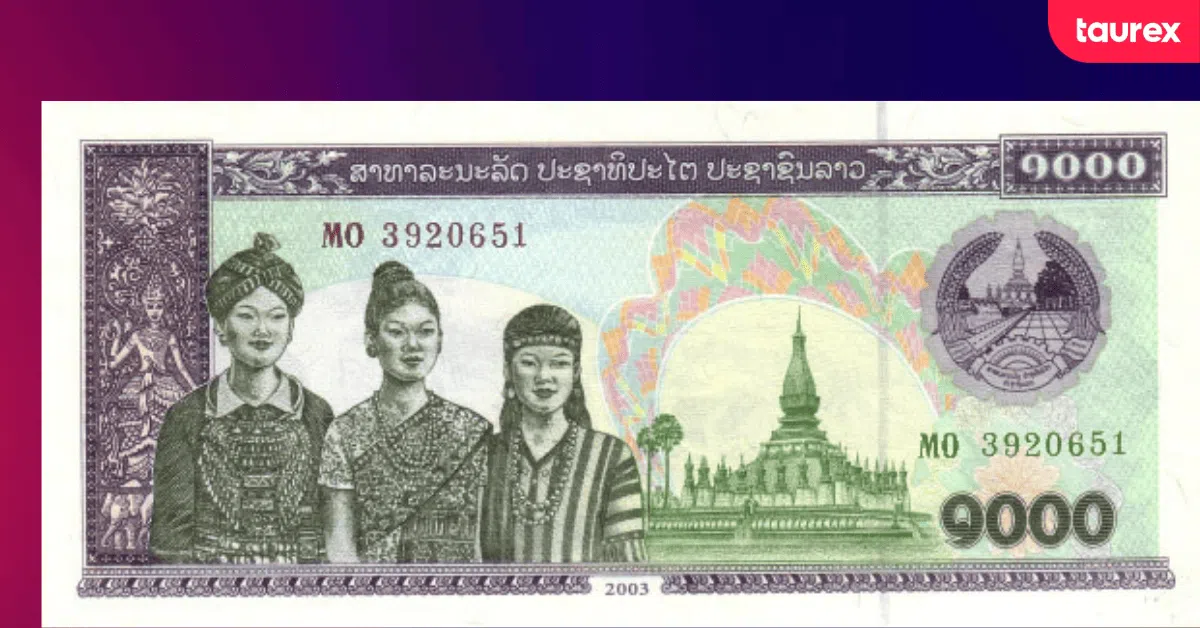
The Laotian kip trades at about 21,663 LAK per $1 as of January 2026. The currency was issued at a low value in 1952 and had been slowly strengthening for decades. That trend changed in recent years as the country faced rising debt and falling foreign reserves.
By 2023, the kip had weakened sharply, falling from just below 10,000 LAK per $1 in 2021 to over 22,000 LAK per $1 in 2024. Inflation has remained persistent, and the economy has grown slowly, which has limited the central bank’s ability to stabilise the currency.
For Forex traders, the kip illustrates how sovereign debt and macroeconomic pressure affect exchange rates. While it is not commonly traded internationally, studying the kip can help traders understand currency dynamics in smaller, emerging economies.
Indonesian Rupiah (IDR)
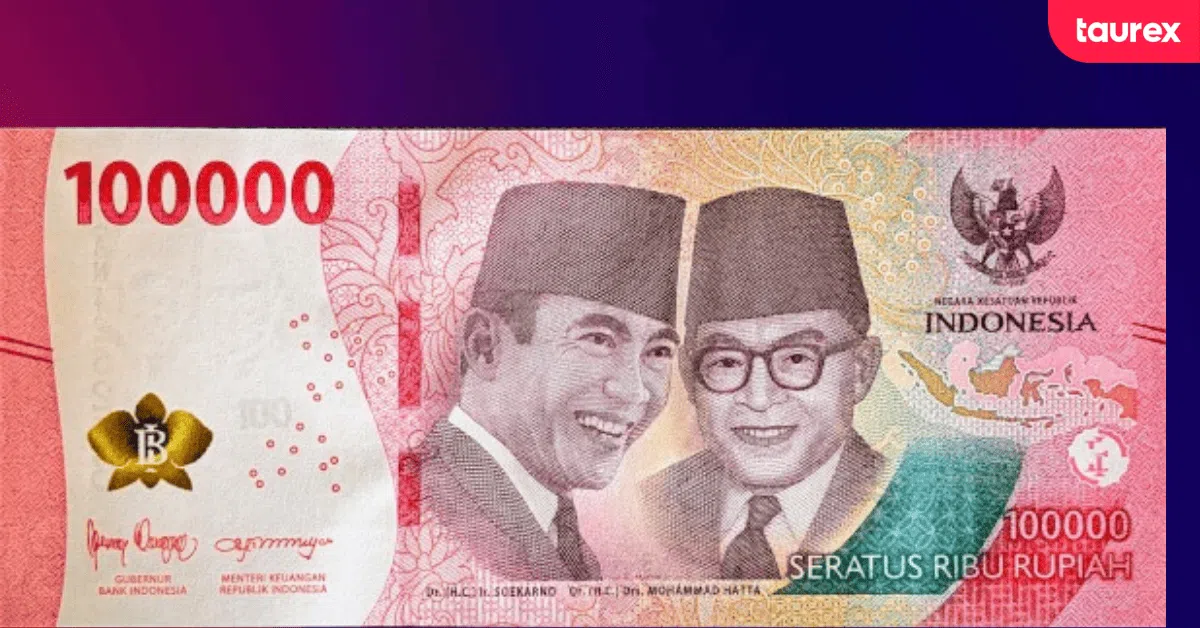
The Indonesian rupiah trades at around 16,849 per $1 as of January 2026. Its weakness is partly the result of historical crises, including the 1997–98 Asian Financial Crisis, which devalued the currency by about 35%. Earlier, in 1965, the government issued a new rupiah at a rate of 1,000 old rupiahs to 1 new rupiah after periods of high inflation.
Today, the rupiah is affected by structural factors such as large foreign ownership of government bonds. When global market sentiment shifts or US interest rates rise, capital often flows out, putting downward pressure on the currency.
Despite its low nominal value, the rupiah is not a crisis currency. Indonesia remains Southeast Asia’s largest economy, and its central bank actively manages monetary policy to stabilise the currency. For traders, the rupiah shows how historical shocks and open capital markets can shape currency performance over decades.
Uzbekistani Som (UZS)
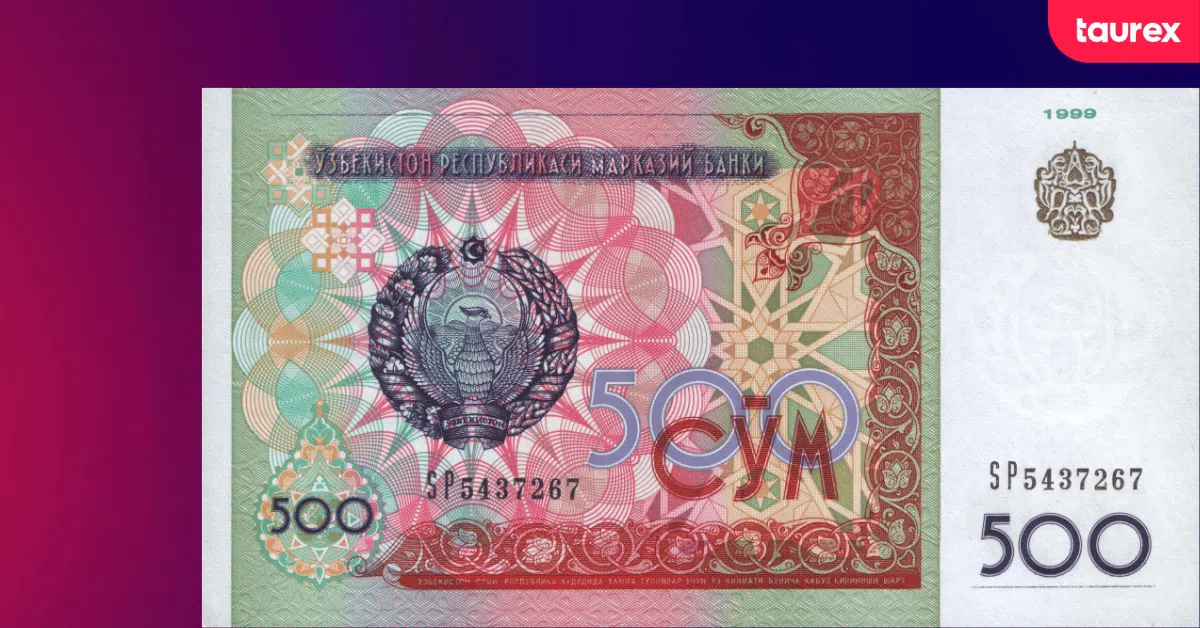
As one of the lowest currencies in the world, the Uzbek som trades at about 12,625 per $1 as of January 2026. When it was introduced in 1994, $1 equaled just 25 UZS, highlighting how much the currency has devalued over time. For years, strict currency controls kept the som mostly non-convertible and encouraged a parallel market.
Economic reforms in 2017 improved transparency and allowed the som to become more freely traded. However, Uzbekistan relies heavily on remittances from overseas workers, which makes the currency sensitive to global economic changes. Inflation and limited industrial diversification continue to weigh on the som.
For Forex traders, the som is a reminder that post-Soviet economies often face structural currency challenges. Understanding the som requires knowledge of remittances, trade balance, and ongoing reforms.
Guinean Franc (GNF)
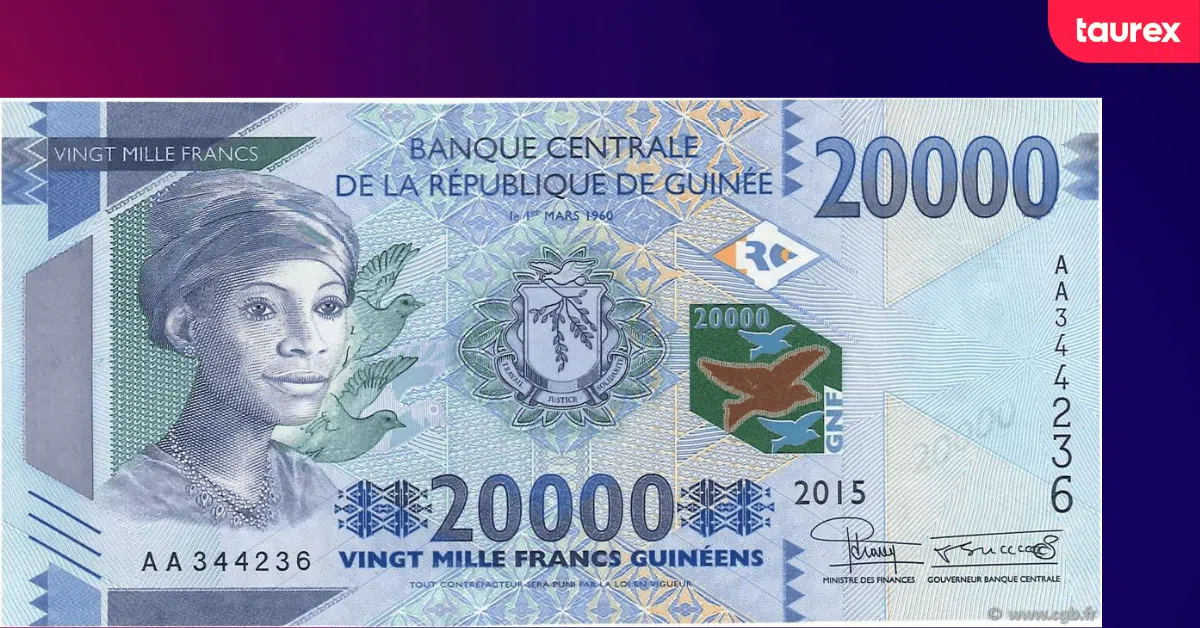
The Guinean franc trades at around 8,658 per $1 as of January 2026. Guinea is rich in minerals like bauxite, gold, and diamonds, yet its currency remains weak. Political instability and over-reliance on mining exports have limited economic diversification and undermined the franc’s strength.
Daily transactions in Guinea rely heavily on cash, and the franc is rarely used in international trade. Limited banking infrastructure and a small domestic market restrict currency demand.
Despite natural resource wealth, Guinea’s economy demonstrates the “resource curse,” where rich resources fail to create broad economic benefits. For Forex traders, the franc is mostly of academic interest, showing how political risk and economic concentration can keep a currency weak.
Paraguayan Guaraní (PYG)
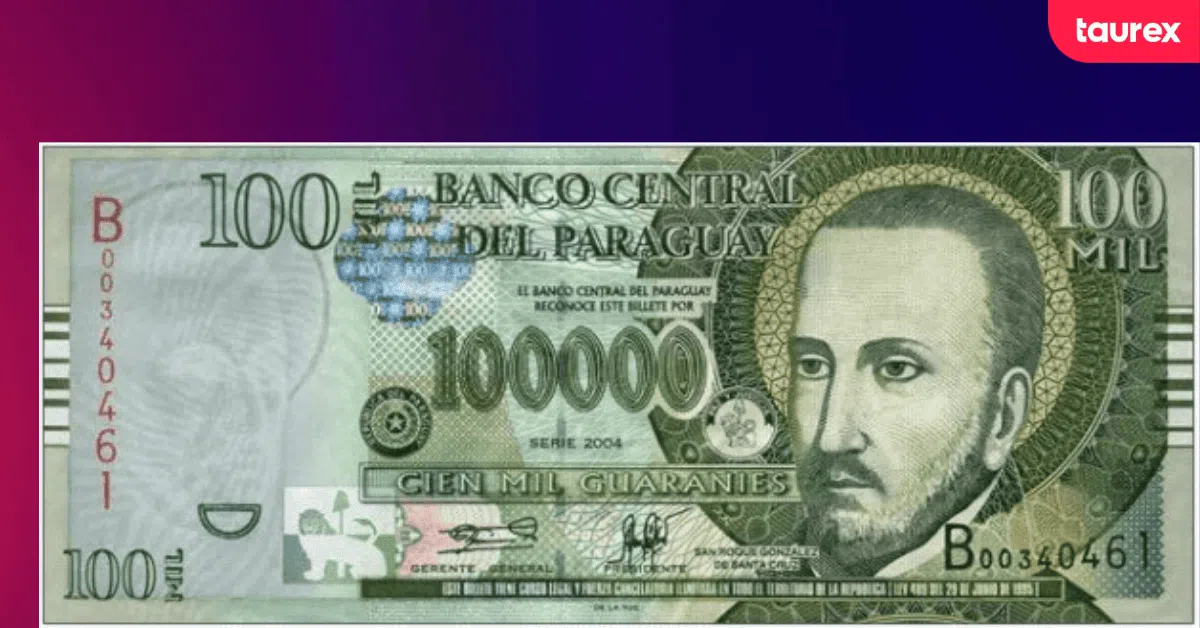
The Paraguayan guaraní trades at about 6,619 per $1 as of January 2026. It has a low nominal value but has been relatively stable, appreciating about 11% in the past year. The guaraní replaced the Paraguayan peso in 1944 after a period of hyperinflation.
Paraguay’s economy relies heavily on agriculture, especially soy and beef exports. The small export base and dependence on commodities make the currency sensitive to global price swings. Challenges like droughts, unemployment, and corruption continue to affect the guaraní.
For traders, the guaraní demonstrates how small, commodity-based economies manage low-value currencies. Its stability relative to other weak currencies makes it a useful example of incremental appreciation under steady economic policies.
Malagasy Ariary (MGA)
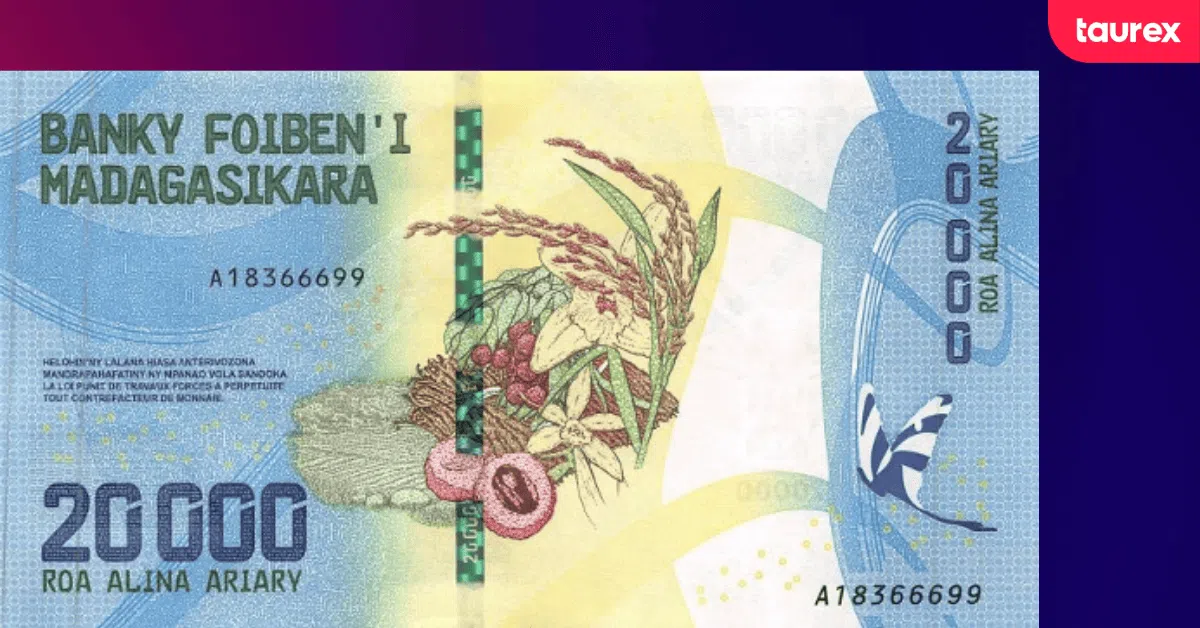
The Malagasy ariary trades at about 4,523 per one USD as of 2026. It replaced the Malagasy franc in 2005 and has a unique structure where 1 ariary equals 5 iraimbilanja, not a decimal subunit.
Madagascar’s economy depends on agricultural exports such as vanilla, coffee, and cloves. This dependence makes the currency vulnerable to climate events and global price fluctuations. Chronic political instability and limited infrastructure have also hindered foreign investment.
You can’t exchange ariary outside Madagascar, and cash dominates daily transactions. For Forex traders, the ariary is mostly of academic interest but highlights how small, resource-dependent economies maintain their own currency despite structural challenges.
Cambodian Riel (KHR)
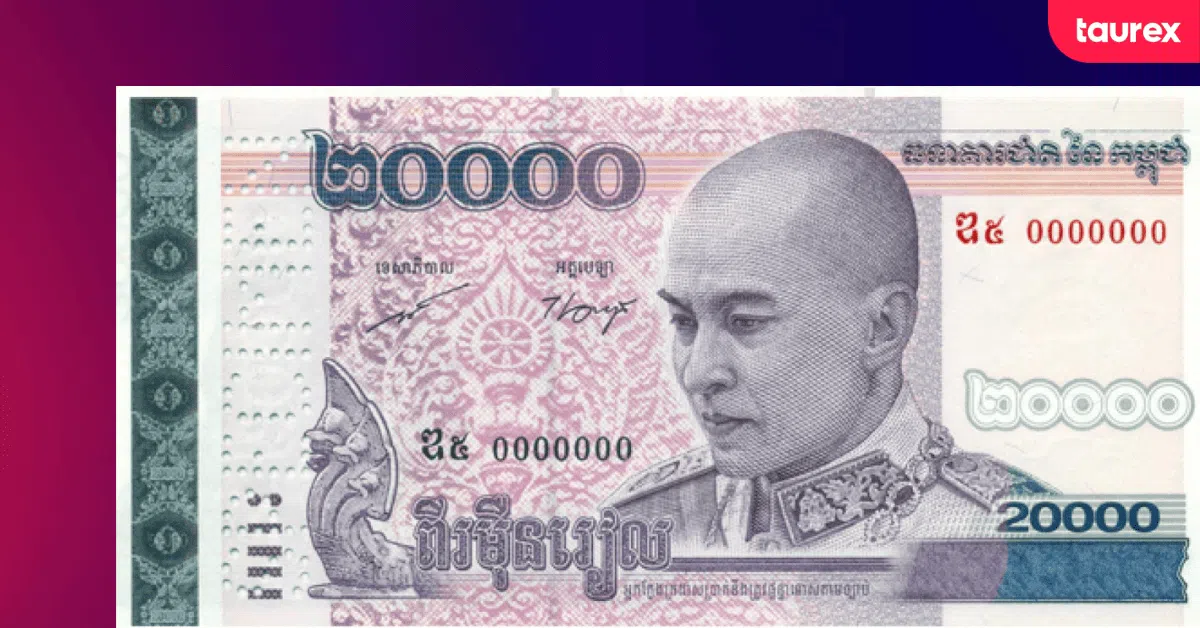
The Cambodian riel trades at around 4,012 per $1 as of 2026, making it one of the smallest currencies in the world. It was introduced in 1995 but has never been widely used. Cambodia is heavily dollarised, with most people preferring US dollars for everyday payments.
The National Bank of Cambodia has tried to increase riel circulation, but dollar usage remains dominant. Political instability and historical economic trauma have limited public trust in the riel.
Despite economic growth, the riel’s role is minimal, and the currency is largely symbolic. For traders, it illustrates how dollarisation can reduce the practical relevance of a local currency, even in a growing economy.
Why Are Some Currencies Weaker Than Others?
Looking at these 10 currencies side by side, clear patterns emerge. No currency ends up on this list by accident. There are recurring economic and political forces that push currencies toward weakness, and understanding them is useful whether you are studying macroeconomics or analysing Forex pairs.
- Inflation: When a government prints more money than the economy produces, the currency loses value. Iran’s inflation above 40% shows how quickly purchasing power can drop.
- Political instability and sanctions: Conflicts, coups, and international sanctions scare away foreign investment. Capital leaves the country, foreign currency inflows shrink, and the local currency falls. Lebanon and Iran are clear examples.
- Trade deficits: Countries that import more than they export need foreign currency constantly. This demand weakens their own currency over time.
- Interest rate policy: Higher interest rates attract foreign investment, which supports the currency. Lower rates can push investors to seek better returns elsewhere.
- High government debt: Large debt, especially in foreign currencies, reduces confidence in the currency. Lebanon defaulted in 2020, and Laos’ debt rose to over 76% of GDP.
- Limited economic diversity: Economies that rely on a few commodities are more vulnerable. Guinea, Paraguay, and Madagascar all experience currency weakness when commodity prices fall or droughts hit.
- Deliberate policy choices: Some countries keep their currency weak on purpose to support exports. Vietnam maintains a low-value dong to boost trade and economic growth.
- Strong currencies for contrast: Stable countries with controlled money supply and large oil reserves, such as Kuwait, Bahrain, and Oman, have the strongest currencies.
- Forex relevance: Most traders focus on major currency pairs like EUR/USD, GBP/USD, and USD/JPY. These pairs offer deep liquidity, tight spreads, and make up the majority of daily trading volume, which exceeds $7.5 trillion.
What Do You Need to Know Before Trading Currencies?
If you have read this far and are thinking about how currency weakness fits into a trading strategy, here are some practical points worth considering.
- Most weak currencies are not actually tradeable. Many of the currencies on this list (LBP, IRR, VND, LAK, KHR, UZS) are not available on standard Forex platforms. They may be subject to capital controls, sanctions, or simply lack the liquidity needed for efficient execution. Most Forex traders work within three categories of pairs:
- Major pairs like EUR/USD, USD/JPY, and GBP/USD offer the highest liquidity and tightest spreads. EUR/USD alone accounts for roughly 30% of all daily Forex volume. These are the pairs most suitable for newer traders.
- Minor pairs (sometimes called cross pairs) exclude the USD but remain reasonably liquid. Pairs like EUR/GBP or AUD/NZD fall into this category.
- Exotic pairs combine one major currency with one from an emerging market, such as USD/ZAR or USD/MXN. According to Benzinga, exotic pairs carry lower liquidity, wider bid-ask spreads, higher transaction costs, and greater political risk. They demand more experience and tighter risk management.
- Weak currencies can serve as analytical signals. When a currency shows persistent weakness backed by deteriorating fundamentals, professional Forex participants often look at selling that currency against a stronger one. But timing matters immensely. Sudden devaluations, capital controls, and extreme volatility can turn a seemingly clear trade into a significant loss.
- Leverage amplifies everything. Forex trading typically involves leverage, which magnifies both potential gains and potential losses. Before using leverage, it is worth fully understanding how margin and position sizing work.
- Trading with a regulated broker matters. With so many platforms available, it pays to choose a Forex broker that is properly regulated. Taurex operates under multiple regulatory frameworks and prioritises the safety of client funds through fund segregation and insurance coverage.
- Practice before committing real capital. Demo accounts allow you to test strategies and get comfortable with platform tools without risking actual money. If you are new to Forex, this step can be genuinely valuable. You can learn more about how to open a Forex trading account and what to expect during the process.
Conclusion
In 2026, the weakest currency by official exchange rate is the Lebanese Pound, and by open-market rate, it is the Iranian Rial. Both reflect long-standing economic problems, while other weak currencies show different stories, from deliberate policy in Vietnam to debt crises in Laos and resource dependence in Guinea.
A weak currency is not automatically a trading opportunity. It mainly signals broader economic trends that can help you understand other Forex pairs, including majors like EUR/USD, GBP/USD, and USD/CHF. Taurex offers over 50 Forex currency pairs with competitive spreads, giving traders a wide range of options across different market sessions.
If you want to practice trading safely, opening a demo account is a good first step to test strategies without risking real capital.
Trading involves significant risk, including potential loss of principal. Past performance does not guarantee future results. The value of investments may fluctuate, and you may receive back less than your original investment.
FAQ
What Is the Weakest Currency in the World in 2026?
Based on official exchange rates, the Lebanese Pound (LBP) holds the position, trading at approximately 89,500 LBP per US dollar. If open-market (parallel) rates are used instead, the Iranian Rial (IRR) takes the top spot, with rates reaching 1.4 to 1.75 million IRR per US dollar in early 2026, driven by US sanctions and inflation exceeding 40%. These rankings can shift as exchange rates fluctuate.
Does a Weak Currency Mean a Strong Economy?
Not necessarily, and the relationship is more nuanced than it might appear. In some cases, a weak currency can support an economy by making exports cheaper and more attractive to foreign buyers. Vietnam is a strong example of this: the dong is kept deliberately low to power the country’s export sector. For most currencies on this list, though, weakness reflects genuine hardship, whether from hyperinflation, political instability, debt crises, or sanctions. A weak currency typically raises the cost of imports and reduces household purchasing power.
What Is the Least Traded Forex Currency Pair?
Among all theoretically possible combinations, the SZL/VUV (Eswatini Lilangeni / Vanuatu Vatu) is considered one of the least traded. On actual trading platforms, low-volume exotic pairs like USD/HUF or GBP/HUF sit near the bottom of volume rankings. The São Tomé and Príncipe Dobra (STN) is also widely cited as one of the least traded currencies globally. For context, EUR/USD alone accounts for roughly 30% of all daily Forex volume.
How Do You Know Which Currency Is Weaker?
Compare exchange rates against a reference currency, typically the US dollar. The currency that requires more units to purchase 1 USD is the weaker one. For example, 1 USD = 89,500 LBP means the Lebanese Pound is far weaker than a currency where 1 USD = 1.08 EUR. You can track live exchange rates through platforms like Trading Economics, XE, or directly through a Forex trading platform. For a deeper view of real currency value, purchasing power parity (PPP) analysis considers what a currency can actually buy domestically, not just its exchange rate.
What Is an Example of Hyperinflation?
Hyperinflation happens when prices rise extremely fast, usually more than 50% per month. The worst recorded case was Hungary in 1946, when prices rose 41.9 quadrillion percent in one month, and 1 USD equalled 332.97 trillion Pengő. Zimbabwe experienced a similar crisis between 2007 and 2009, with inflation reaching 79.6 billion percent per month. More recently, Venezuela faced hyperinflation between 2016 and 2019, while Lebanon and Iran have had severe currency collapses but not full hyperinflation.