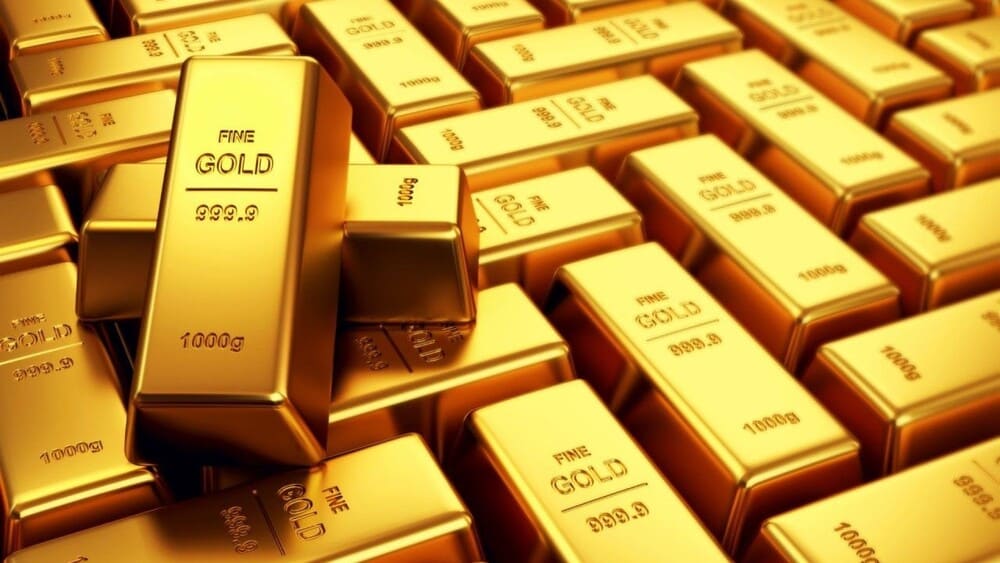
Precious metals prices are currently experiencing elevated volatility, with gold outperforming within this category, posting gains of 20% since the beginning of the year to date, compared with silver (17%), platinum (6%), and palladium (1%).
After witnessing declines in gold prices two days ago below the psychological level of $5,000, reaching $4,996, the main driver was the strength of the U.S. dollar. The U.S. Dollar Index rose to 99.68 points, its highest level since November 28, 2025, amid expectations that interest rates will remain higher for longer, or even be raised if inflation accelerates, particularly with continued increases in energy prices, which could further fuel inflationary pressures. However, yesterday we saw a rebound in gold prices, which are currently trading near the $5,200 level.
It is worth noting that although keeping interest rates elevated or raising them negatively impacts gold, as it is a non-yielding asset, gold should not be overlooked as an inflation hedge. Therefore, expectations suggest that the upward momentum is likely to persist, supported by strong fundamentals such as geopolitical and trade tensions, continued central bank purchases, rising global debt levels—particularly U.S. debt, which has exceeded $38.5 trillion—and declining investor confidence in public finances, especially in advanced economies. In addition, investors are reducing their holdings of long-term government bonds.
As for silver, platinum, and palladium, they are currently facing selling pressure due to their involvement in multiple industrial applications. The notable rise in energy prices, including oil and gas, negatively affects factories and manufacturers by increasing production costs, which may ultimately reduce demand for these metals.
Regarding the anticipated U.S. employment data and its impact on markets, the Nonfarm Payrolls report, unemployment rate, and average hourly earnings are scheduled to be released tomorrow at 17:30 UAE time. Expectations point to the U.S. economy adding around 58,000 new jobs in February 2026, compared with 130,000 jobs added in January 2026. The unemployment rate is expected to remain steady at 4.3%, while average hourly earnings are projected to rise by 0.3% month-on-month, lower than the previous reading of 0.4%.
However, caution is warranted. Any readings above expectations for employment and wage growth, or below expectations for the unemployment rate, could put downward pressure on precious metals prices, particularly gold, while strengthening the U.S. dollar as the primary beneficiary in such a scenario.
From a technical perspective, gold continues to show positive alignment in the 20-, 50-, and 200-day moving averages, all trending upward, with the 20-day average above the 50-day average and the 50-day average above the 200-day average. The Relative Strength Index currently stands at 55, reflecting positive momentum.

Please note that this analysis is provided for informational purposes only and should not be considered as investment advice. All trading involves risk.